Protect Our Fynbos: Stop the Black Wattle Invasion
Black Wattle (*Acacia mearnsii*) threatens Swellendam’s natural heritage, depleting our water catchments, increasing wildfire severity, and crowding out native Fynbos flora.
Why Black Wattle is a Priority Target
Know Your Flora: Native vs. Invasive
Learn to spot Black Wattle and distinguish it from our indigenous Langeberg Fynbos species.
iNaturalist is a free app that helps you identify plants and animals, record your observations, and learn from a community of nature lovers and scientists.
Black Wattle
Acacia mearnsii
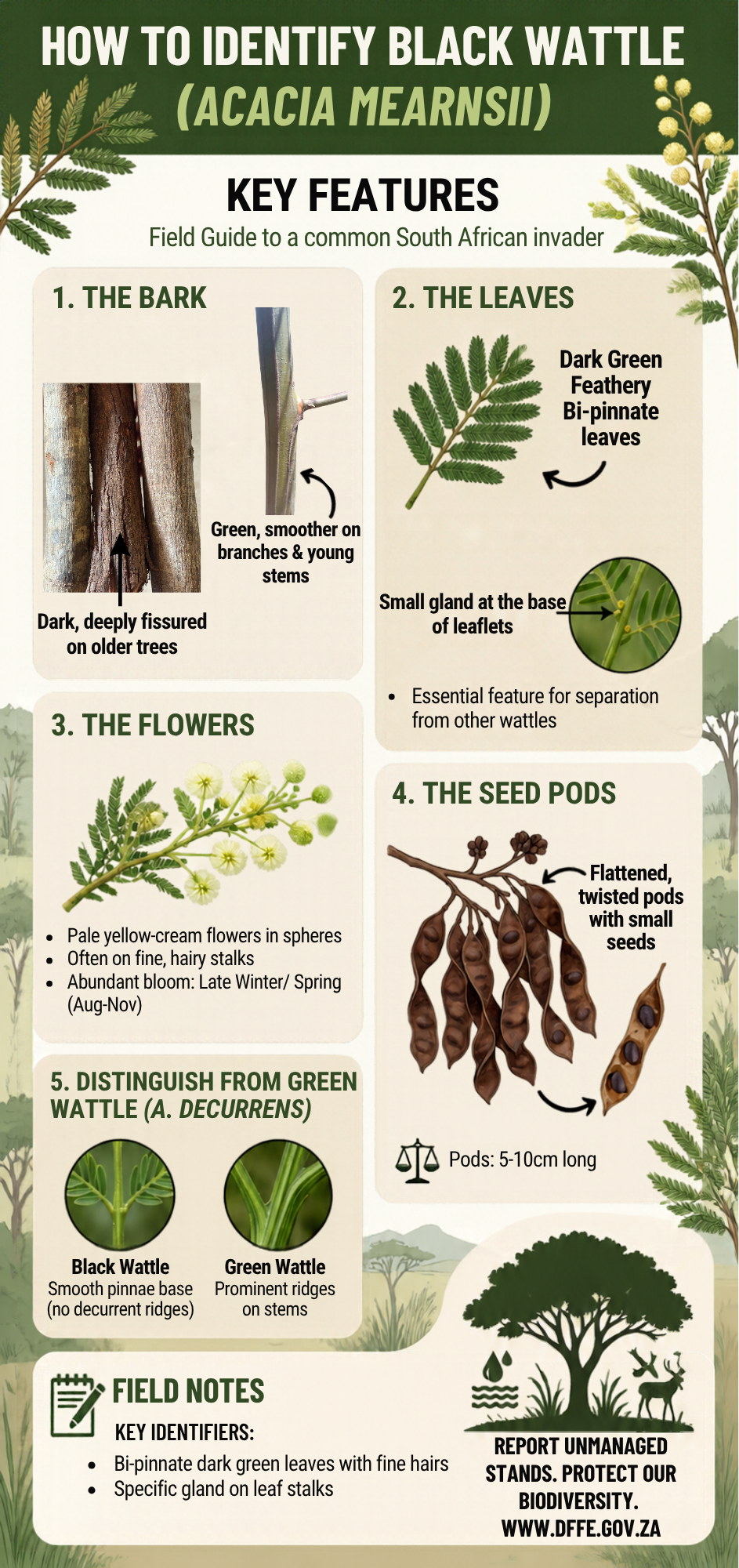
- Leaves: Feathery, dark green bipinnate leaves with tight leaflets.
- Flowers: Pale yellow to golden spherical pom-pom clusters in late winter/spring.
- Bark: Dark brown/blackish, rough with high tannin content.
- Impact: Seeds remain viable in soil for decades; dense stands choke stream beds.
Sugarbush Protea & Ericas
Proteaceae / Ericaceae species
- Leaves: Broad, leathery leaves (Proteas) or tiny needle-like leaves (Ericas).
- Flowers: Vibrant bowl-shaped flower heads producing rich nectar for Sugarbirds.
- Ecology: Adapted to natural 12-15 year fire cycles, critical for seed germination.
- Benefits: Supports local bird/pollinator populations and preserves stream purity.
Total site visits
Loading...
Community Action & Local Initiatives
Swellendam is taking action! Discover where teams are clearing Black Wattle and test your awareness.
Active Clearing Hotspots in Swellendam
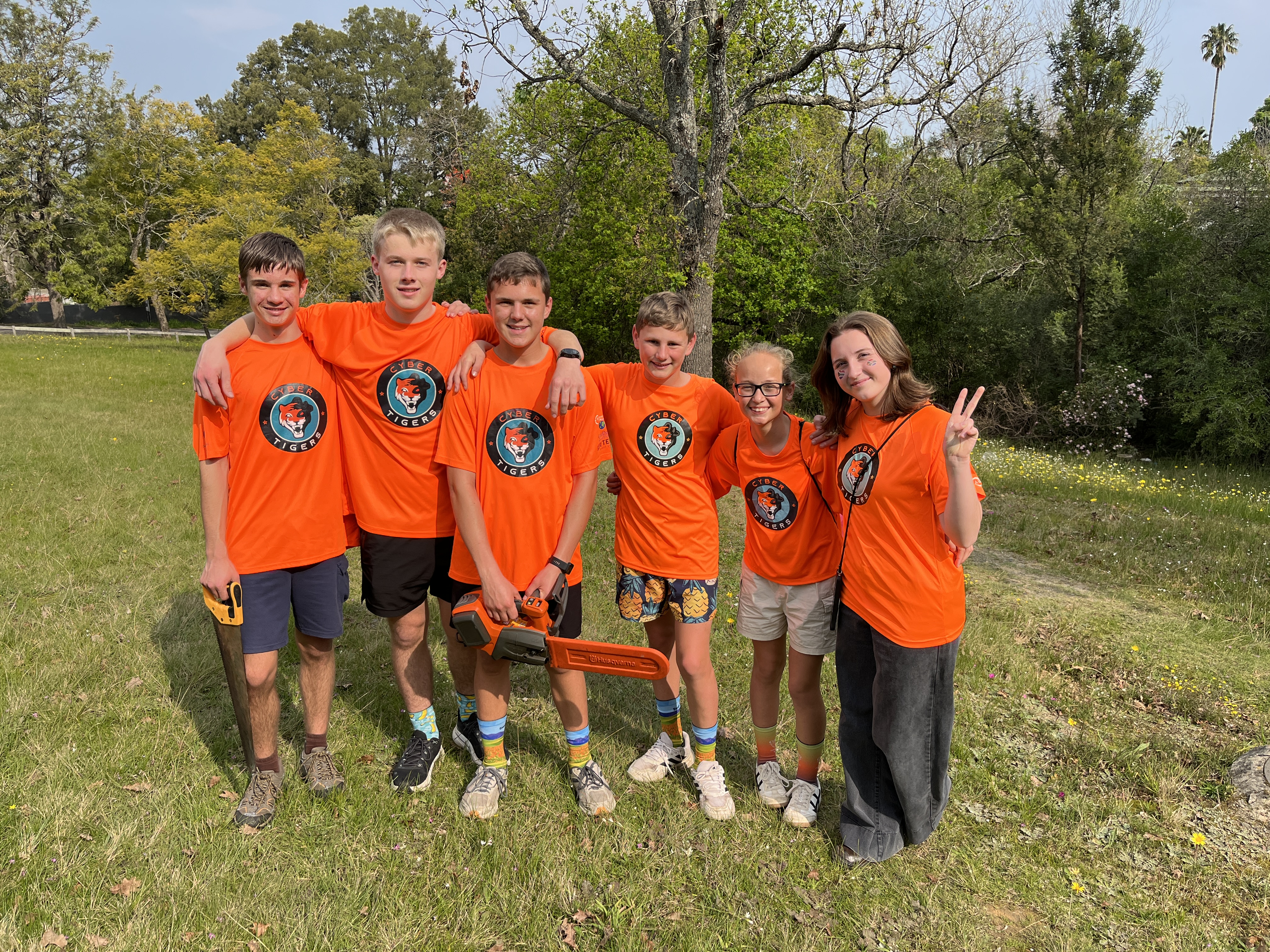
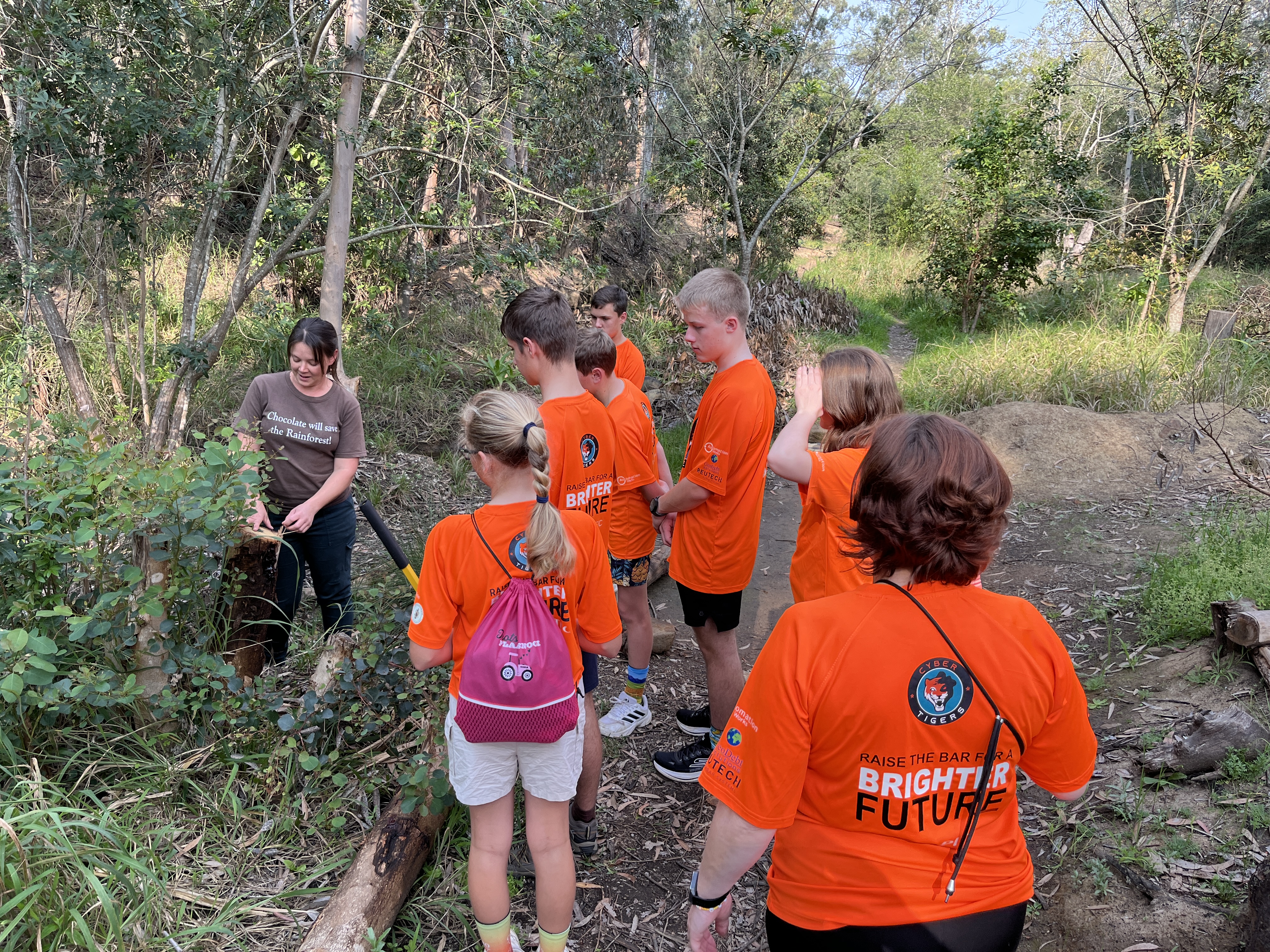
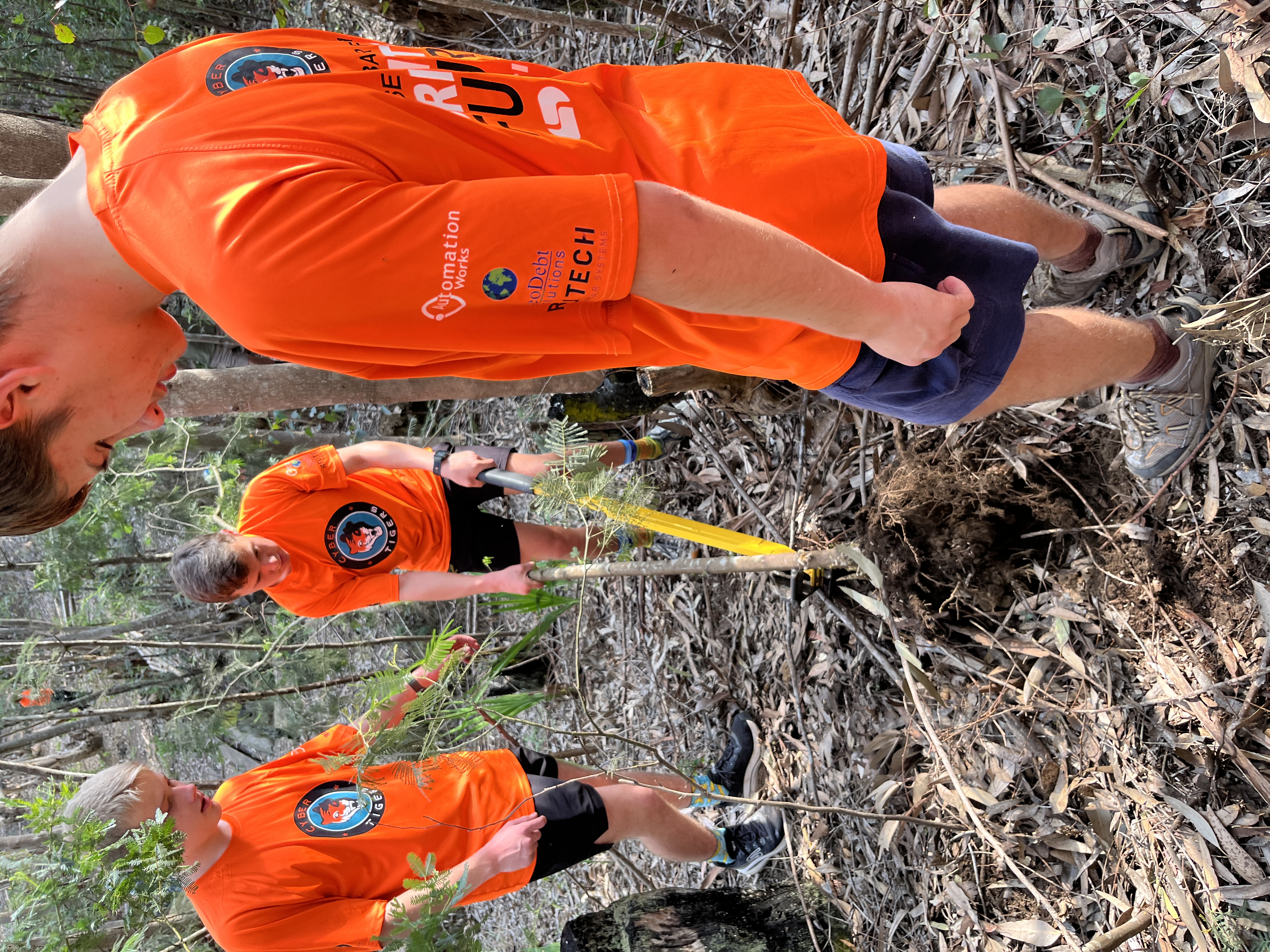
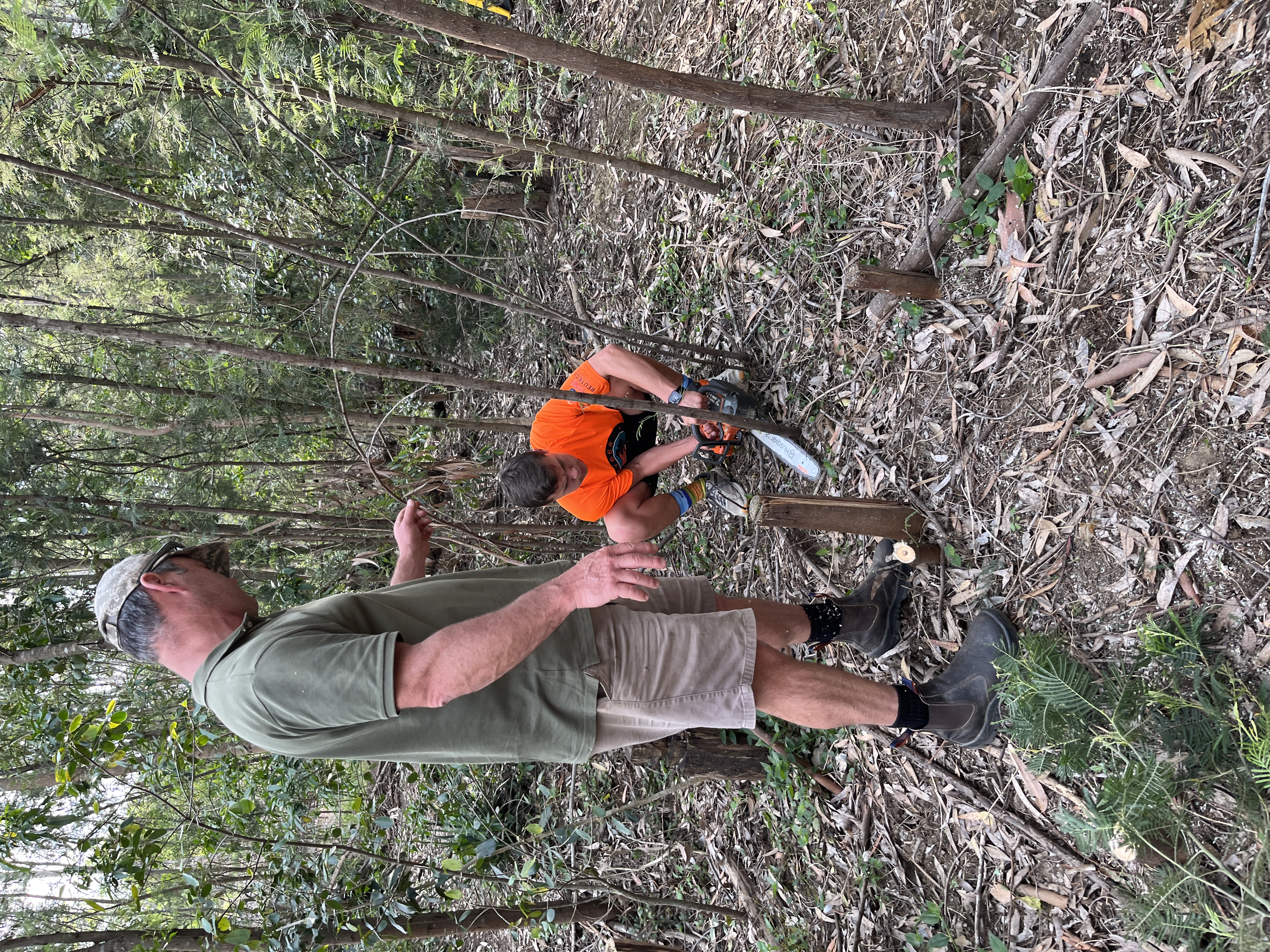
Friends of Marloth Alien Plant Hacking
Friends of Marloth is a community organization that aims to build a strong connection between Marloth Nature Reserve and the Swellendam community and to provide practical assistance such as helping with maintenance of the reserve and fund raising. The alien hacking group meets on the second Saturday morning of every month to clear alien plants that are invading the reserve. In the summer they work in the cool of the kloofs to remove bleeding hearts, bugweeds, Australian cheesewoods and brambles in the indigenous forests. In winter they work on the warm sunny slopes to remove black wattles, pines and blackwoods. Volunteers have free access to enjoy the reserve for the rest of the day after hacking.
WhatsApp GroupSwellendam Conservancy
The conservancy promotes community action to achieve better environmental outcomes. It focuses on river systems and remnant veld around Swellendam. We try to solve problems through exciting solutions by bringing people and systems together to the benefit of man and beast.
Bethelskop
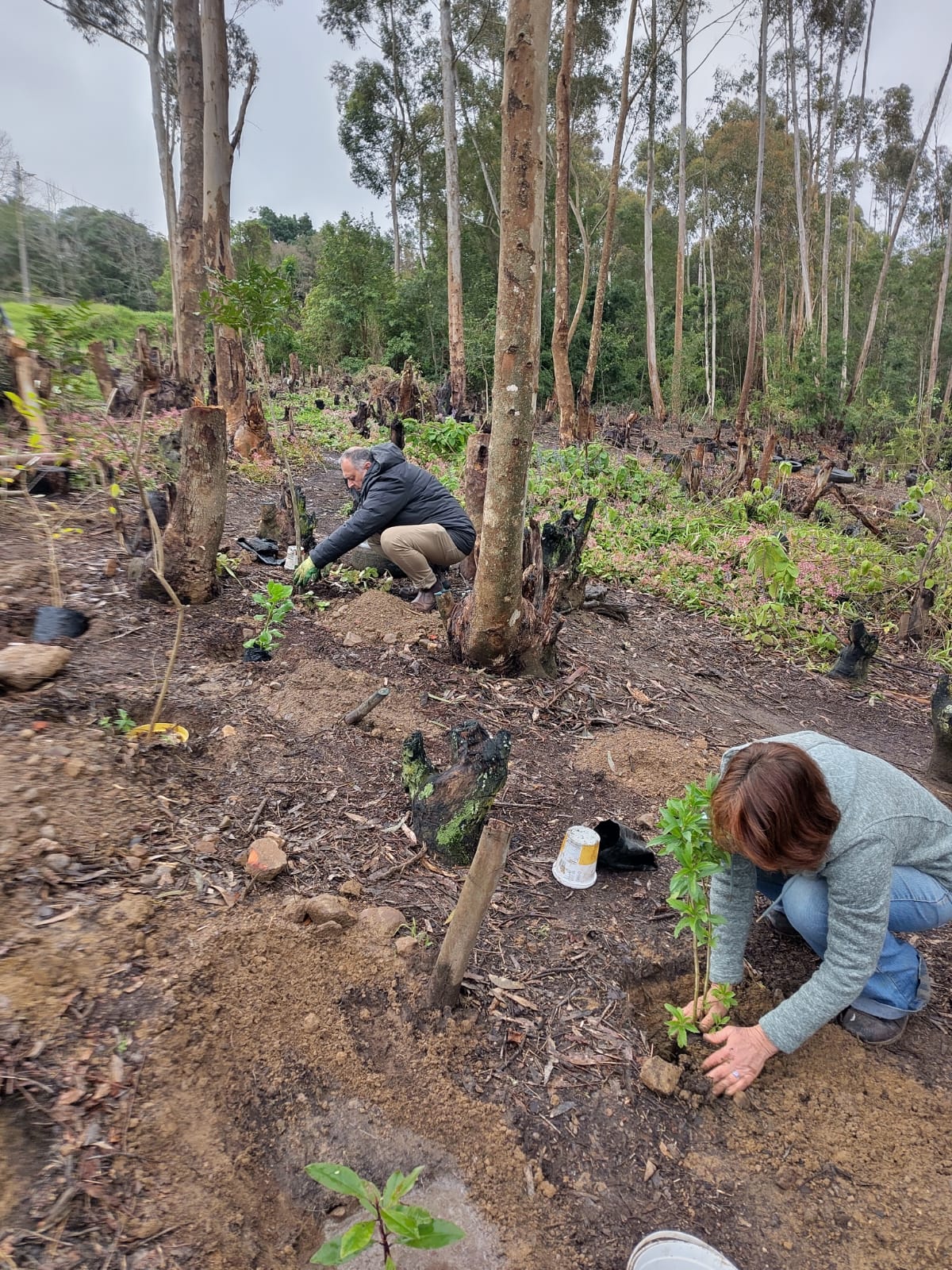
Bethelskop, also known as Heuningbos, is a small koppie of undiscovered nature overlooking Swellendam and its mountains. Nestled between Marloth and Bontebok Park, it is home to exquisite endemic Renosterveld and Fynbos. Since a 2021 fire, local residents have been actively pulling and popping invasive plants. Their dream is to reclaim and restore the area as a nature reserve for the Swellendam community, potentially linking all three areas into a biodiversity corridor. By sharing resources and tools and connecting with local conservation groups, the project hopes to inspire the community to protect and restore South Africa’s indigenous nature and heritage.
Masbiekerskloof Trail
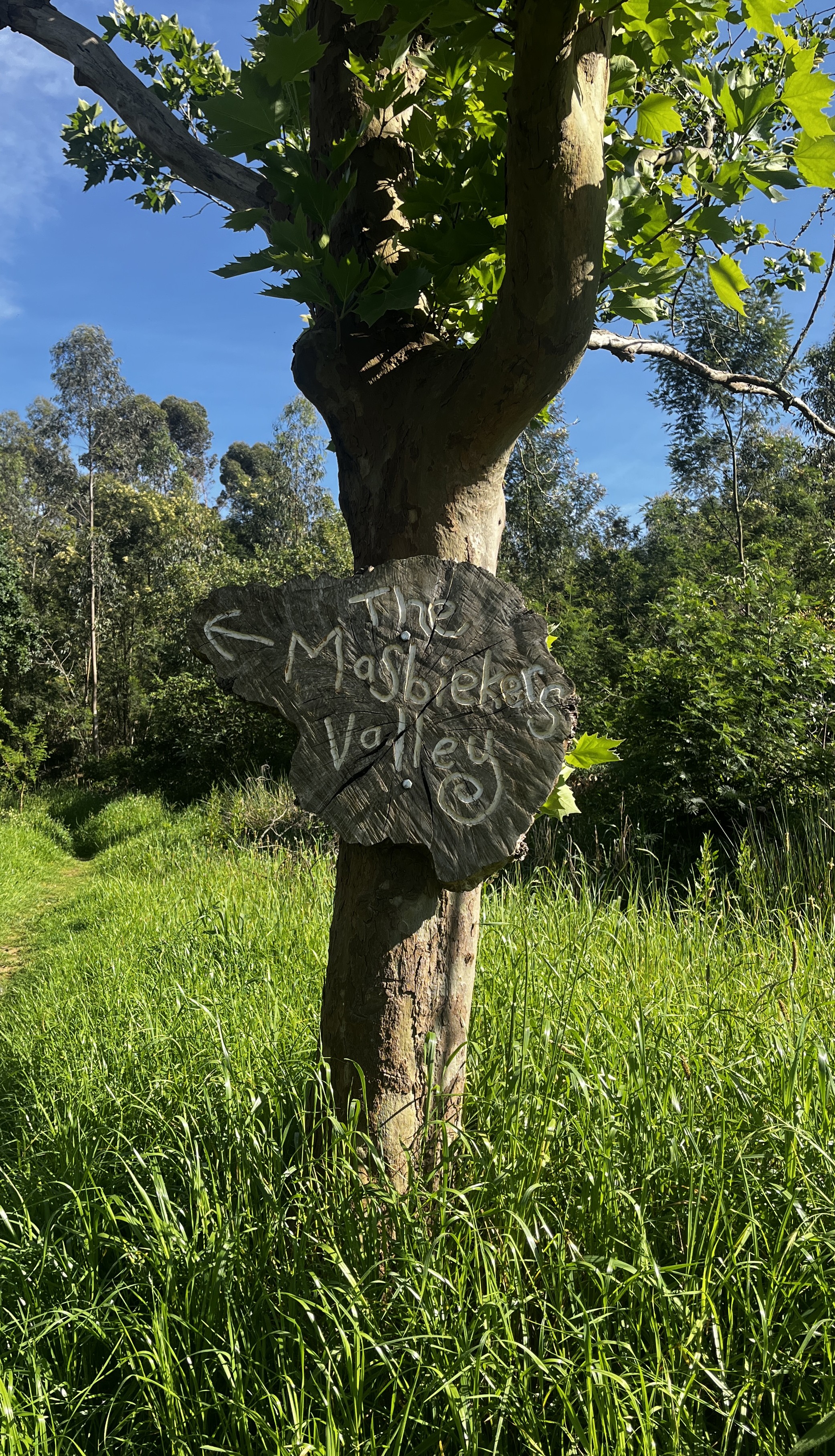
MVP is the start of an indigenous green belt in the heart of Swellendam, a place of beauty for everyone! A community-supported conservation initiative focused on the removal and management of invasive alien vegetation within the Masbiekerskloof area, with the aim of protecting indigenous biodiversity, improving ecosystem health and reducing fireloads. The project forms part of an official Adopt-a-Spot Programme approved by the Swellendam Municipality for the period 2026 to 2028.
Clean and Clear on a Tuesday, 5–6 pm
Swellendam Hackers
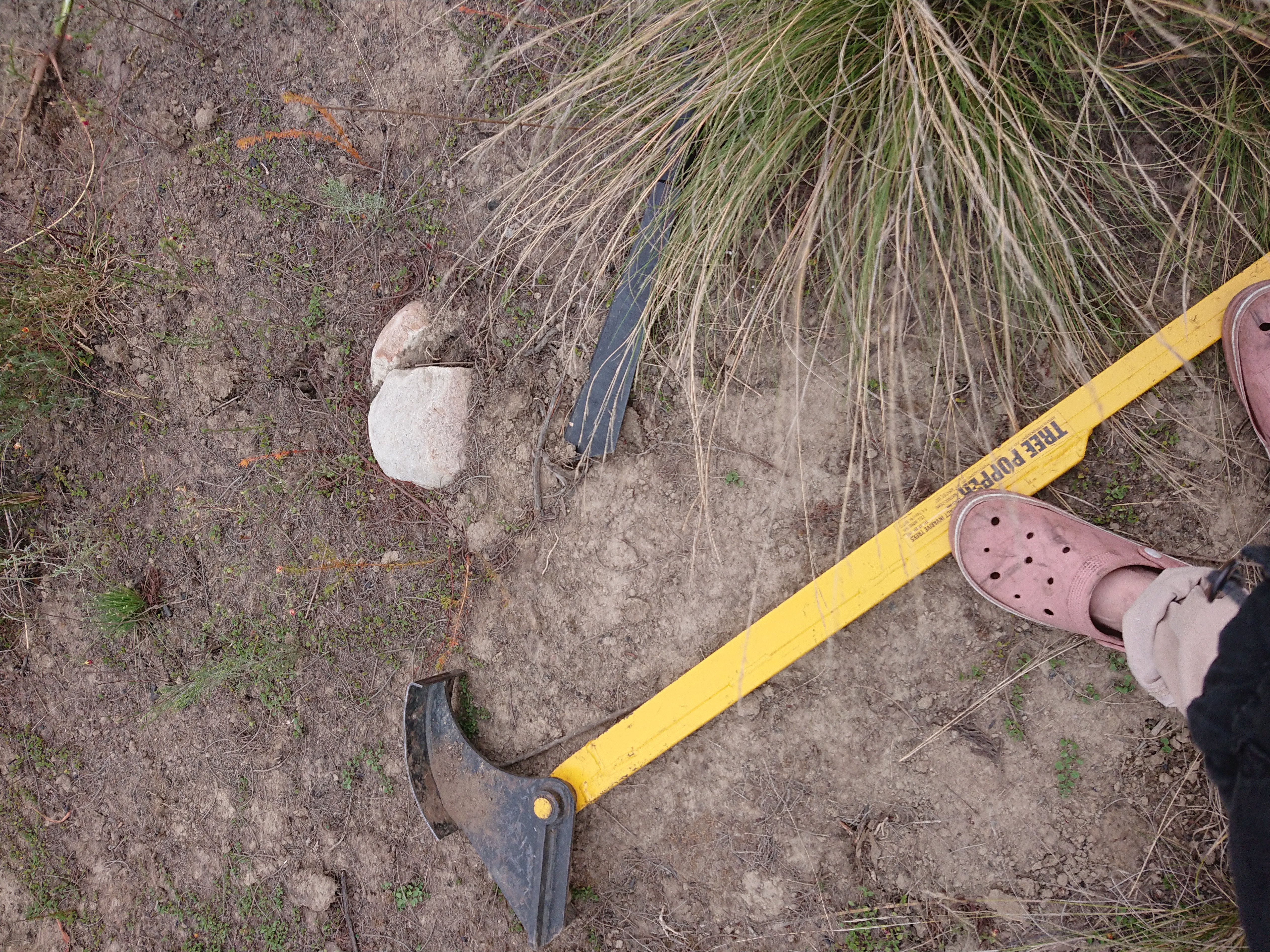
The Swellendam hackers remove invasive alien plants, such as black and green wattles, port jacksons, Australian cheesewoods and others, from different public open spaces around Swellendam. Their work restores the natural vegetation of the municipal commonage for all to enjoy. They have a good collection of tools and knowledge to share with anybody interested in joining them. They meet at 5pm every Friday.
WhatsApp GroupTell us what you saw on the ground
Use the form below to share updates, observations, and volunteer stories.
Having trouble viewing the form? Open it in Google Forms.
Learning for Action
Education
Understanding invasive plants and healthy ecosystems helps every resident become a guardian of Swellendam’s natural heritage.
QR CODE TRAIL
Explore Masbiekerskloof through playful, educational QR stories
Along the Masbiekerskloof trail, QR codes are placed in special spots so visitors can scan them and watch a fun LEGO stop-motion story about indigenous nature, alien plants, and the work of local volunteers. There are 5 videos in total for you to collect as you explore the route.
Look out for the real QR codes along the trail.
What each episode covers
Biodiversity
Why healthy ecosystems are full of life, and how indigenous plants support birds, insects and soil health.
Identify Black Wattle
How to spot black wattle by its leaves, flowers, bark and growth habit in the field.
Water Resources
How black wattle steals water
Wildfires
Why dense invasive vegetation makes fires more intense and harder to manage.
How You Can Help
Easy ways to volunteer, report invasive plants, and support local restoration work in Swellendam.
A one-of-a-kind trail experience
These QR stories are waiting for you in Masbiekerskloof
You can only find these QR codes along the Masbiekerskloof trail. Bring the kids, scan each one, and collect all five episodes together! The LEGO stories make learning about local plants, wildlife, water and fire fun and memorable—and help young explorers discover how they can protect nature, too.
Test Your Black Wattle Knowledge
Answer 6 quick questions to test your eco-awareness!
1. Where does Black Wattle originally come from?